Table of Contents
Many jewellery pieces carry more meaning than we realise. A ring passed down through generations, a necklace tied to a milestone, or a design that no longer suits your style can still hold emotional value, even if it sits unworn in a drawer. Jewellery redesign offers a beautiful way to honour those memories while creating something you’ll genuinely love wearing again. But how do you know if a piece is actually suitable for redesign?
This guide walks you through the key factors to consider before starting the jewellery redesign process, helping you understand what works, what may need adjustment, and when professional guidance is essential.
What Does Jewellery Redesign Mean?
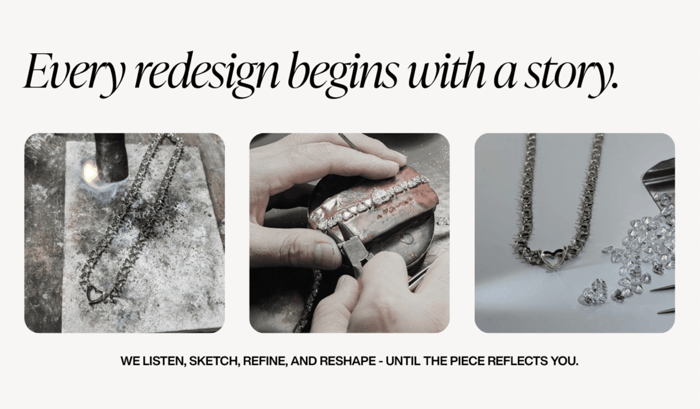
Jewellery redesign involves transforming an existing piece into a new design while reusing some or all of the original materials. This often includes resetting gemstones, refining or melting down gold, or reworking structural elements to suit modern tastes and lifestyles. Unlike repairs, which focus on restoring jewellery to its original state, redesign is about reimagining it entirely.
People choose to redesign jewellery for many reasons. Heirloom pieces may feel outdated, engagement rings may no longer reflect personal style, or sentimental jewellery may simply not suit everyday wear. Redesign allows you to preserve emotional significance while creating a piece that feels current, comfortable, and wearable.
Is the Metal in Good Condition?
One of the first things to assess is the condition and type of metal. Solid gold jewellery, such as 14K or 18K gold, is generally ideal for redesign. Gold can be melted, refined, and reused multiple times without losing its integrity, making it perfect for creating a new piece.
If your jewellery is gold-plated or gold-filled, redesign options may be more limited, as these materials don’t contain enough solid gold to work with. A professional jeweller can assess whether the metal can be reused or if new material is required. Visible wear, thinning, or damage doesn’t automatically rule a piece out, it simply informs how the redesign should be approached.
Are the Gemstones Suitable for Resetting?
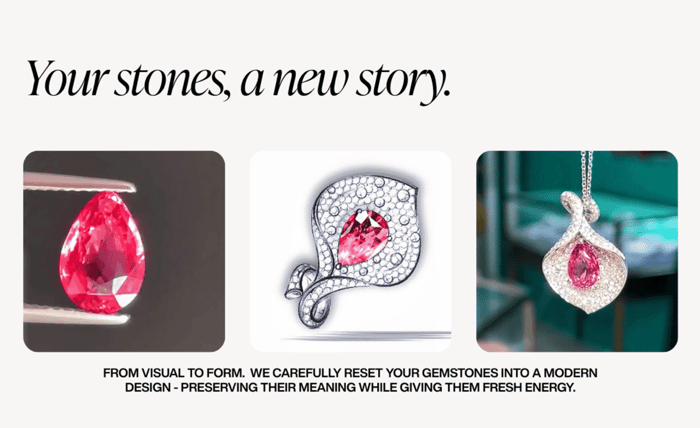
Gemstones play a major role in determining whether jewellery is suitable for redesign. Diamonds, sapphires, rubies, and many other durable stones are often excellent candidates for resetting into new designs. Their hardness allows them to withstand removal, cleaning, and re-setting.
More delicate stones, such as opals, emeralds, or pearls, require extra care. They can still be redesigned, but the process may involve protective settings or gentler handling. A jeweller will inspect stones for chips, cracks, or wear before confirming suitability. Even stones with minor imperfections can often be redesigned successfully with the right setting.
Does the Piece Hold Sentimental Value?
Sentiment is often the strongest reason people consider redesign. If a piece holds emotional meaning, perhaps tied to a loved one or a significant moment, it’s usually worth exploring redesign options. Jewellery redesign allows you to keep that connection alive while adapting the piece to your current life and style.
Some people worry that redesigning an heirloom means losing its history. In reality, many redesigns intentionally preserve key elements, such as original stones or engravings, ensuring the story continues in a new form. If a piece feels meaningful but unwearable, it’s often an ideal candidate for redesign.
Can the Design Be Adapted to Your Lifestyle?
Another important consideration is how the redesigned piece will fit into your daily life. Jewellery that once felt formal or impractical can often be reworked into something more wearable. For example, large cocktail rings can be transformed into delicate bands, or multiple stones can be separated into several everyday pieces.
Think about how you want to wear the jewellery, daily, occasionally, or for special events. A skilled jeweller will help adapt the design to suit comfort, durability, and personal style, ensuring the final piece isn’t just beautiful, but functional too.
Is the Jewellery Structurally Sound?
Even jewellery that looks worn or damaged may still be suitable for redesign. Bent bands, worn claws, or outdated settings are common reasons people choose to remodel. What matters is whether the core materials, metal and stones, can support a new structure.
During a professional assessment, your jeweller will check for issues like severe cracks in metal or compromised stones. In many cases, these challenges can be worked around with thoughtful design choices or partial replacement of materials.
When to Seek Professional Advice
While you can assess some factors at home, professional guidance is essential before committing to a redesign. A jeweller can evaluate the condition of your jewellery, explain realistic design options, and guide you through what can be reused versus what may need replacing.
At VUOI, the redesign process is collaborative and transparent, ensuring you understand every step before moving forward. If you’re unsure whether a piece is suitable, a consultation can provide clarity and confidence, often revealing more possibilities than you expected.
Key Takeaways
- Solid gold jewellery is usually ideal for redesign
- Many gemstones can be safely reset with professional care
- Sentimental or heirloom pieces are often the best candidates
- A professional assessment helps unlock the full potential of your jewellery
Find out the steps to redesign here.
Turning the Old into Something Meaningful Again
Knowing if your jewellery is suitable for redesign comes down to a mix of material quality, emotional value, and practical considerations. Solid gold, meaningful gemstones, and sentimental pieces are often perfect candidates, even if they no longer suit your style in their current form.
Jewellery redesign is about evolution, not erasure. It allows you to carry your memories forward in a piece that feels relevant, wearable, and deeply personal. Considering a jewellery redesign? Contact our team to explore what’s possible.
Not sure where to start? We’re happy to guide you through the process with care and expertise.
FAQs
Can any piece of jewellery be redesigned?
Many pieces can be redesigned, especially those made from solid gold and durable gemstones like diamonds or sapphires. However, materials such as gold-plated jewellery or heavily damaged stones may limit redesign options. A jeweller can assess whether your piece is suitable and recommend the best approach.
Can you reuse the gold from my existing jewellery?
Yes, solid gold (such as 14K or 18K) can often be melted down, refined, and reused in a new design. If the original metal is too worn or not suitable for reuse, new gold may be added while still incorporating your original gemstones or elements.
Are all gemstones safe to reset into a new design?
Many gemstones, including diamonds, sapphires, and rubies, are excellent candidates for resetting. More delicate stones like opals, emeralds, or pearls may require special care or protective settings, but they can often still be incorporated into a redesign.
Will redesigning jewellery affect its sentimental value?
Not at all. In many cases, redesigning jewellery enhances its emotional significance because the piece becomes wearable again. Important elements such as original stones, engravings, or symbolic details can often be preserved in the new design.
Do I need a consultation before starting a jewellery redesign?
Yes. A professional consultation is the best way to evaluate the condition of your jewellery and understand what design possibilities exist. A jeweller can assess the metal, gemstones, and structure to guide you through realistic options before the redesign begins.