Table of Contents
- 1. Look for a 14K or 585 Hallmark
- 2. Check the Weight and Feel
- 3. Inspect Areas of Wear
- 4. Try the Magnet Test
- 5. Look for Peeling, Fading or Discolouration
- 6. Have the Gold Professionally Tested
- What Does 585 Mean on Gold Jewellery?
- Is 585 Gold the Same as 14K Gold?
- 14K Solid Gold vs Gold-Plated Jewellery
- Can You Tell If 14K Gold Is Real at Home?
- Why Hallmarked 14K Solid Gold Matters
- FAQs
Buying gold jewellery should feel exciting, not uncertain. But if you have inherited a piece, bought jewellery second-hand, or simply want to confirm what you already own, you may find yourself wondering: how can you tell if 14K gold is real?
Genuine 14K gold contains approximately 58.5% pure gold, blended with other metals to improve its strength, durability and colour. This balance makes 14K solid gold one of the most popular choices for fine jewellery designed for everyday wear.
If you are shopping for 14K solid gold jewellery in Australia, understanding hallmarks, metal composition and basic authenticity checks can help you buy with greater confidence.
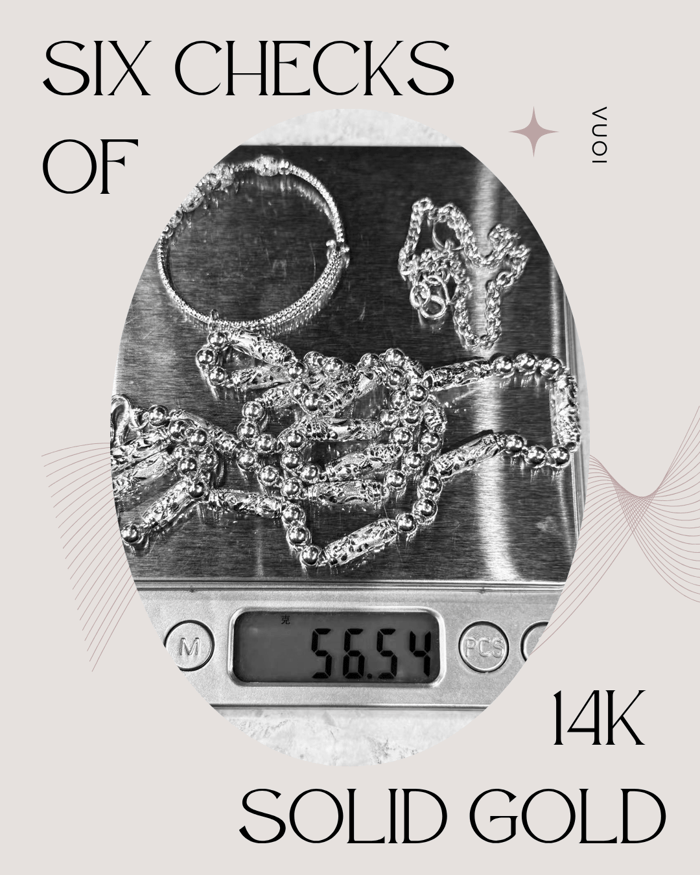
Here are six ways to assess whether your 14K gold jewellery is likely to be genuine, what each check can tell you, and what it cannot prove.
1. Look for a 14K or 585 Hallmark
The first place to start is the hallmark.
Genuine 14K gold jewellery is commonly stamped with markings such as:
- 14K
- 14KT
- 585
The number 585 refers to the percentage of pure gold in the alloy. Since 14K gold contains approximately 58.5% pure gold, 585 is widely used as a recognised fineness mark.
Depending on the piece, you may find the hallmark:
- Inside a ring band
- Near a necklace or bracelet clasp
- On an earring post or backing
- On the back of a pendant
A clear 14K or 585 hallmark is a strong indication that the jewellery was made as 14K gold.
However, a stamp alone is not absolute proof. Hallmarks can fade over time, vintage jewellery may use different markings, and counterfeit pieces can occasionally carry false stamps.
Think of the hallmark as your first clue, not the only test.
2. Check the Weight and Feel
Gold is a dense metal, so genuine 14K solid gold often feels more substantial than similarly sized jewellery made from lightweight base metals.
For example, a solid gold ring may feel noticeably heavier than a plated ring of similar dimensions.
This can be particularly useful when assessing:
- Chains
- Bangles
- Rings
- Solid pendants
However, weight is not a precise authenticity test.
Some 14K gold jewellery is hollow by design and may feel lighter than expected, while certain base metals can also feel relatively heavy.
Weight should therefore support your assessment rather than determine it.
3. Inspect Areas of Wear
One of the most useful visual checks is to inspect areas that experience regular friction.
Look closely at:
- Ring edges
- Bracelet clasps
- Necklace links
- Pendant corners
- Earring posts
- Areas that regularly touch the skin
Gold-plated jewellery has a thin layer of gold over another metal. With enough wear, that surface layer can gradually disappear, revealing a different colour underneath.
You may notice:
- Silver or grey tones
- Copper tones
- Darker base metal
- Uneven colour around edges
With 14K solid gold, the gold alloy runs throughout the piece. Normal scratches and wear should therefore reveal a similar gold tone underneath rather than a distinctly different base metal.
This is one of the biggest differences between solid gold and gold-plated jewellery.
If you prefer jewellery designed for frequent wear, explore VUOI’s collection of 14K solid gold jewellery.
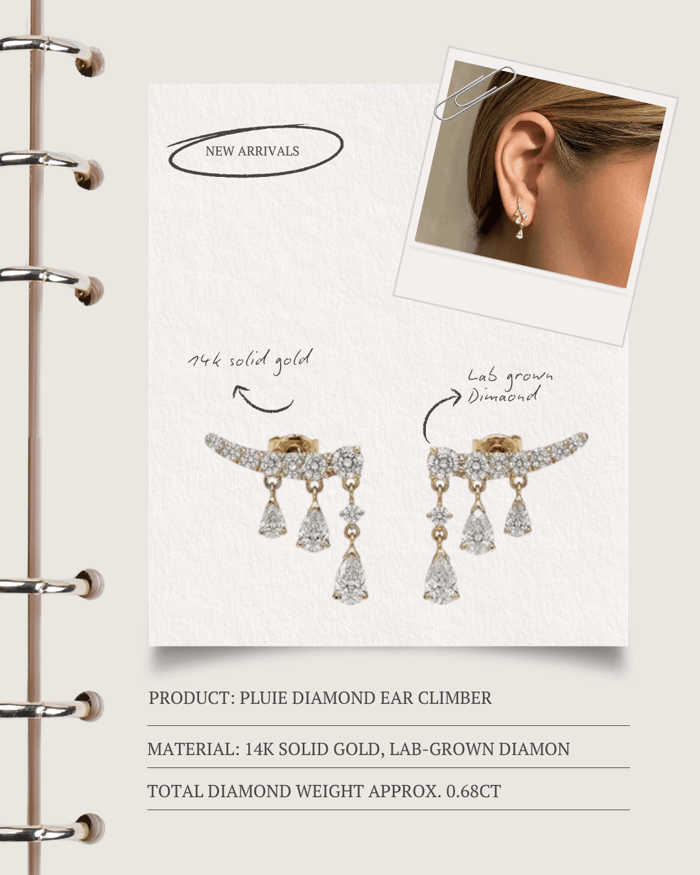
Pluie Diamond Ear Climber

$869.00
For the nights that call for something that moves with you. The Pluie climbs the ear in a curve of graduating round diamonds, then lets three pear-cut stones hang below, catching the light with every turn of your head, every… read more
4. Try the Magnet Test
Gold itself is not magnetic, and genuine 14K gold generally should not be strongly attracted to a standard household magnet.
Hold a reasonably strong magnet close to the jewellery and observe the reaction.
If the entire piece is strongly attracted to the magnet, it may contain a significant amount of magnetic base metal.
However, this test has important limitations.
Many non-gold metals are also non-magnetic, meaning fake jewellery can still pass a magnet test.
Some jewellery components, particularly clasps and internal mechanisms, may also contain small metal springs that respond to magnets even when the main piece is genuine gold.
The magnet test is therefore useful for identifying some obvious fakes, but it cannot confirm that a piece is definitely 14K gold.

4ct Classic Tennis Bracelet

$3,580.00
This 4 carat tennis bracelet features a seamless line of round brilliant diamonds set in luminous white gold, creating continuous sparkle around the wrist. Timeless, versatile, and effortlessly chic.… read more
5. Look for Peeling, Fading or Discolouration
Solid gold and plated jewellery tend to wear differently over time.
Because 14K solid gold is gold alloy throughout the entire piece, it should not peel or reveal a completely different metal underneath.
Gold-plated jewellery, however, can gradually lose its surface layer through friction, moisture, chemicals and daily wear.
Signs that a piece may be plated include:
- Gold colour wearing away
- Patchy surfaces
- Visible base metal
- Peeling or flaking
- Strong colour changes around high-friction areas
That said, surface discolouration does not automatically mean a piece is fake.
Skincare, perfume, chlorine, cleaning products and natural residue can all affect the appearance of jewellery.
A professional clean may be enough to restore the original finish.

The Vela Ring

$2,590.00
Named for the constellation that burns quietly at the edge of the sky - Vela is a ring for those who carry light without announcing it. Wear it to the moments that matter without needing to say so. A dinner… read more
6. Have the Gold Professionally Tested
If you want a definitive answer, professional testing is the most reliable option.
Jewellers may use several methods to verify gold purity, including:
- Acid testing
- Electronic gold testers
- X-ray fluorescence testing
- Professional metal analysis
These methods can help determine whether a piece is genuine gold and often provide a more accurate indication of its purity.
Professional testing is particularly worthwhile if the jewellery:
- Has no hallmark
- Was purchased second-hand
- Is vintage
- Was inherited
- Has an unclear origin
- Appears to have been repaired
- Has significant financial or sentimental value
A professional jeweller can also inspect the construction, condition and craftsmanship of the piece.
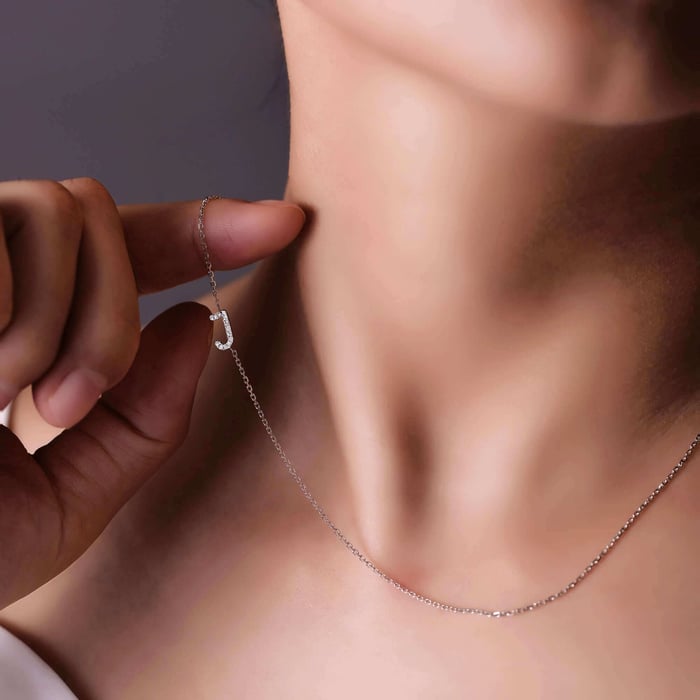
Initial Spark Diamond Necklace

$898.00
The initial spark diamond necklace features a delicate initial illuminated by a subtle diamond accent. Personal and refined, it carries meaning close to the heart, perfect worn solo or layered.… read more
What Does 585 Mean on Gold Jewellery?
A 585 stamp means that the jewellery contains approximately 58.5% pure gold.
Gold purity is measured using the karat system.
Pure gold is 24K, while 14K gold contains 14 parts gold out of 24.
That equates to roughly 58.5% gold, which is why 14K gold is frequently stamped 585.
The remaining percentage consists of other metals chosen to strengthen the jewellery and influence its colour and durability.
This combination is what makes 14K gold so well suited to everyday fine jewellery.
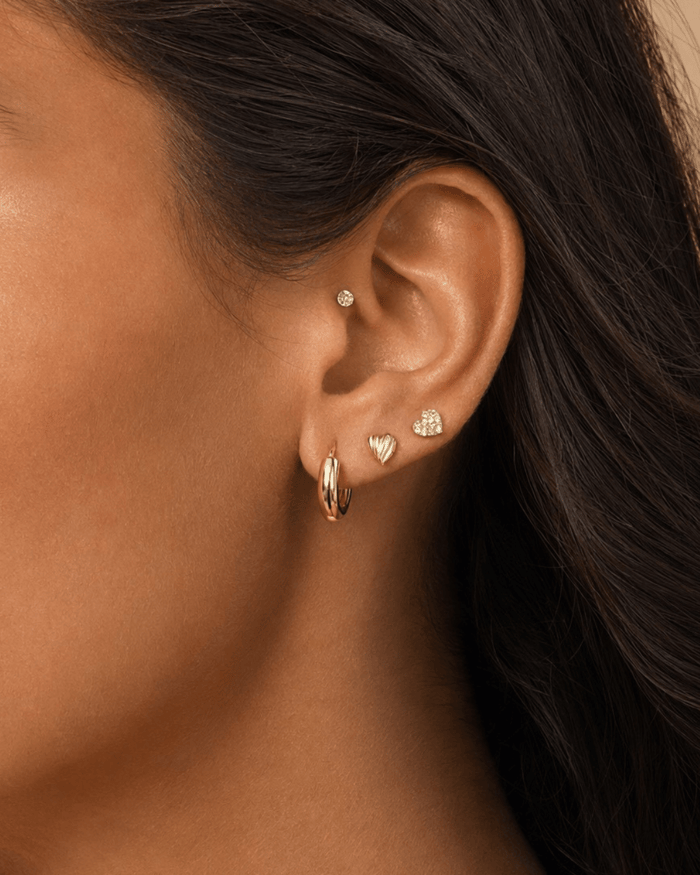
Heart Bonbons Stud Earring

$228.00
Sweet with a sparkle. The HEART BONBONS STUD EARRING features a petite heart silhouette finished with a playful, polished glow - like a little jewel-box treat for your ears. Charming yet refined, it adds a soft romantic touch to everyday… read more
Is 585 Gold the Same as 14K Gold?
Yes.
In most jewellery contexts:
585 gold = 14K gold
Both terms describe gold containing approximately 58.5% pure gold.
The main difference is simply the marking system being used.
Some jewellery is stamped with karat markings such as 14K, while other pieces use fineness markings such as 585.

Aura Hoop Earring

$399.00
The aura hoop earring features a softly rounded high polish silhouette that catches the light with every turn. Its fuller shape adds confident presence while remaining timeless and easy to wear from weekday tailoring to weekend denim. If you would like… read more
14K Solid Gold vs Gold-Plated Jewellery
Although the surface appearance can sometimes be similar, 14K solid gold and gold-plated jewellery are very different.
14K Solid Gold
14K solid gold is made from 14K gold alloy throughout the jewellery piece.
It can scratch and develop signs of wear, but there is no thin gold surface layer to wear through.
Gold-Plated Jewellery
Gold-plated jewellery usually consists of a base metal covered with a thin layer of gold.
Over time, this coating may wear away and reveal the underlying metal.
For jewellery you plan to wear often or keep for years, solid gold offers a very different level of longevity.
Browse VUOI’s 14K solid gold jewellery in Australia to discover pieces created for everyday wear.
Can You Tell If 14K Gold Is Real at Home?
You can gather several useful clues at home, but no single DIY test can guarantee authenticity.
A combination of the following signs can suggest that your jewellery is genuine:
- A 14K or 585 hallmark
- Consistent gold colour
- No visible plating wear
- Appropriate weight for the piece
- No strong magnetic reaction
However, sophisticated plating and different metal alloys can make home testing less conclusive.
For certainty, professional testing remains the best option.
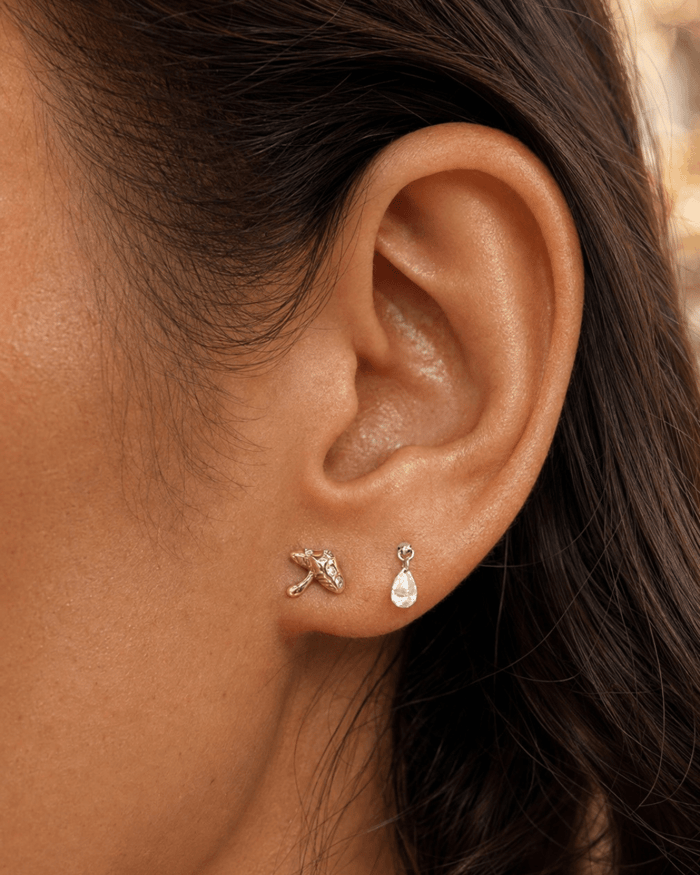
Lumina Teardrop Diamond Flatback Earring

$479.00
A drop of light, set in gold. The lumina teardrop diamond flatback earring features a delicate teardrop silhouette illuminated by a fine diamond. Designed with a smooth flatback for secure, all day comfort, it is perfect for cartilage, second piercings,… read more
Why Hallmarked 14K Solid Gold Matters
When you invest in fine jewellery, transparency matters.
A recognised 14K or 585 hallmark provides useful information about the metal composition and gives you a reliable reference when caring for, repairing or valuing your jewellery in the future.
It also removes much of the uncertainty that can come with unverified or second-hand jewellery.
At VUOI, our 14K solid gold jewellery is created for real life: pieces designed to be worn, layered, loved and carried through everyday moments.
For anyone searching for 14K solid gold jewellery in Australia, choosing clearly identified solid gold from a trusted jeweller means less guesswork and more confidence in what you are wearing.
Because fine jewellery should not leave you wondering what lies beneath the surface.
It should simply feel like yours.
FAQs
Is 585 real gold?
Yes. A 585 hallmark indicates jewellery containing approximately 58.5% pure gold, which corresponds to 14K gold.
Is 14K gold real gold?
Yes. 14K gold is real gold. It contains approximately 58.5% pure gold combined with other metals to improve strength and durability.
Does 14K gold tarnish?
14K gold is highly resistant to tarnishing. However, because it contains other metals within the alloy, its surface can occasionally become dull or react to chemicals, moisture or residue.
Is 14K solid gold the same as gold plated?
No. 14K solid gold contains gold throughout the jewellery piece. Gold-plated jewellery consists of another metal covered with a thin layer of gold.
What does 14K mean on jewellery?
14K means that 14 out of 24 parts of the metal alloy are gold, equivalent to approximately 58.5% pure gold.
What is the most reliable way to test 14K gold?
Professional testing by an experienced jeweller is the most reliable method. Depending on the jewellery, they may use acid testing, electronic testing or X-ray fluorescence technology.
Will real 14K gold stick to a magnet?
14K gold itself should not be strongly magnetic. However, certain clasps or internal components may contain small magnetic parts, so a magnet test cannot provide definitive proof.
Is 14K gold good for everyday jewellery?
Yes. Its combination of gold content and durability makes 14K gold a popular choice for rings, earrings, necklaces and bracelets designed for regular wear.